New Zealand 2026 Harvest reports
To all intents and purposes, it looks like 2026 has been a decent harvest. Some touch and go moments with the weather for some, no one likes a cyclone or too much rain and humidity baring down on their vineyards. Some growers had to leave fruit on the vine for myriad reasons including an over-supply & cancelled contracts, for example Sauvignon Blanc and Pinot Noir growers were affected the most. And, for others it will be a Rosé wine vintage with red juice not normally dedicated to a dry red style becoming high quality Rosé instead. One statistic that made my jaw drop was the availability of Sauvignon Blanc juice for as low as 80 cents a liter.
Below is a some good reading from Misha’s Vineyard (Bendigo) and Grasshopper Rock Wines (Alexandra) , from Central Otago and The Landing in Northland.
Misha’s Vineyard
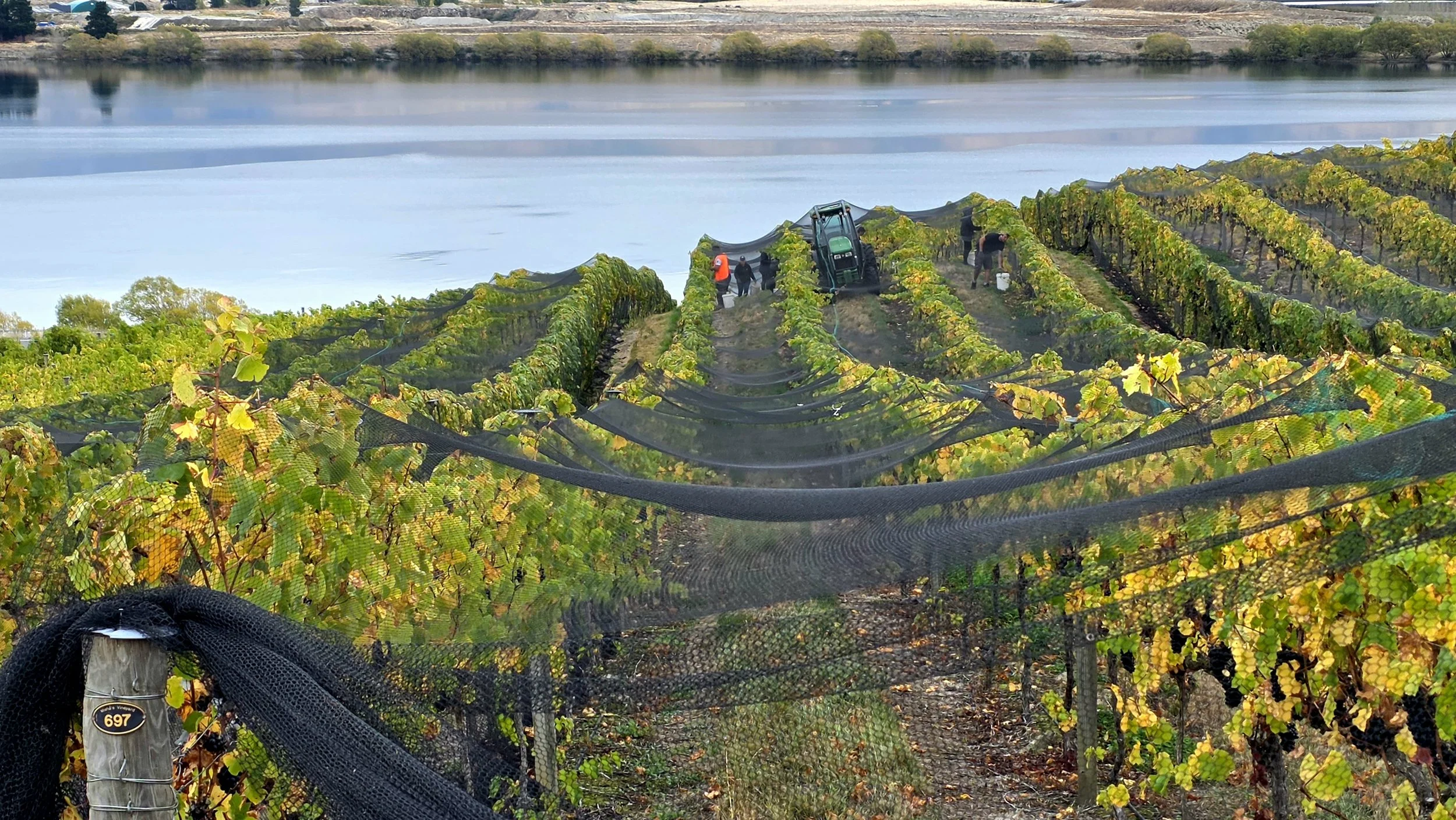
20th vintage. Bendigo, Central Otago, New Zealand Vineyard Manager: David Mesecke (3rd harvest) - Winemaker: Olly Masters (20th vintage) Summary Report
The 2026 vintage was defined by a cool, extended growing season that allowed for slow, even ripening and exceptional flavour development. Following a frosty start to spring, warming conditions and steady rainfall supported a healthy and balanced start to the season. Flowering in early December was even across the vineyard, setting the foundation for consistent yields. While the season brought persistent winds and cooler temperatures, these conditions naturally moderated vine growth, maintaining open canopies and low disease pressure.
A longer ripening period through late summer and early autumn resulted in harvest beginning in early April—around two weeks later than usual. This extended hang time proved highly beneficial, producing fruit with excellent balance, purity, and varietal expression.
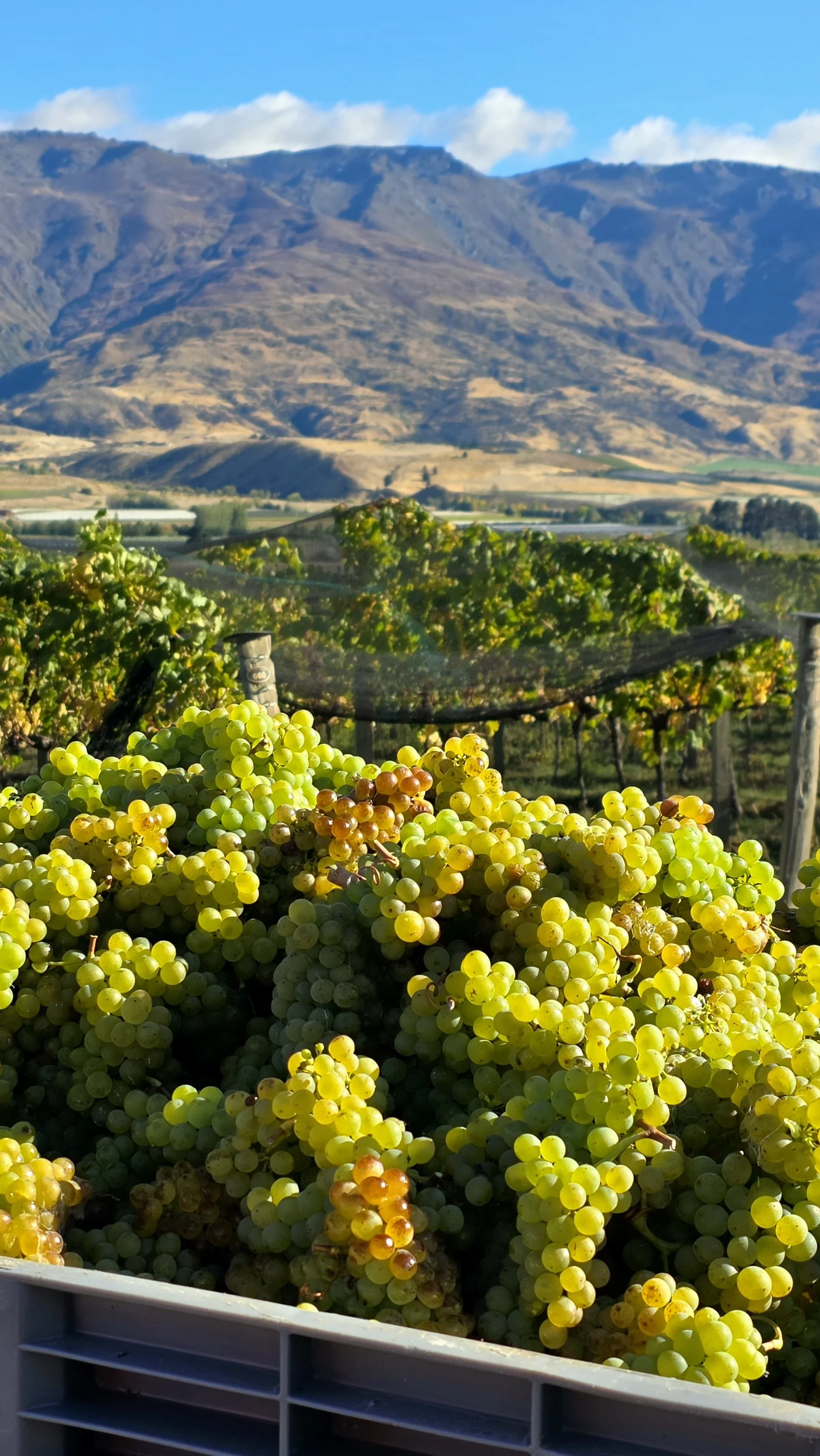
The 2026 vintage at Misha’s Vineyard stands out for its quality, particularly in Sauvignon Blanc, Pinot Gris, and Gewürztraminer, which show outstanding aromatics, concentration, and freshness.
Season metrics: GDDs 913 | Max 30.1°C | Min -0.4°C | Avg 13.7°C | Rainfall 341.2mm * Note: Growing Degree Days (GDDs) are from 1 Sep – 1 April. Misha’s Vineyard 14-year average GDDs is 1129.
The Central Otago region average is 1038
Detailed Report: Vineyard Manager – David Mesecke.
The first half of September brought cold, frosty mornings and by mid-September temperatures started rising but we also had gale-force winds. Spring rain provided good soil moisture, helping carry the vines through to budburst at the end of the month. October was cool with heavy rain and although there was enough soil moisture to support inflorescence formation and shoot growth, we started irrigation to maintain soil moisture and canopy growth. In November, after shoot thinning, vine growth was good across all blocks. By mid-month, gale-force winds caused moderate wind damage in some blocks despite the first and second wires being raised on the canopy. Flowering began first on the lakefront Pinot Noir blocks followed by Gewürztraminer, Pinot Gris, Sauvignon Blanc and then Riesling.
Although we experienced some rain during flowering, it didn’t affect the caps, but we applied a systemic preventative spray to prevent any threat of botrytis. December was marked by strong winds, causing some shoot damage, mainly in the top blocks of the vineyard. A brief hail event occurred on 16 December, but the hail was smaller than in 2024 and caused no damage. Flowering was very even across the vineyard and was completed by 18 December. The strong spring winds continued through January keeping the canopy light and less dense, which helped reduce disease pressure. Irrigation was increased to encourage maximum shoot growth across all blocks, with the Dress Circle block benefitting the most.
By mid-January, it was clear the vineyard was behind in growth stages due to the cooler weather, suggesting a later-than-normal Pinot Noir harvest. Fruit set for Sauvignon Blanc, Pinot Gris, Riesling, and Gewürztraminer was consistent with previous years. In late January, conditions became conducive for powdery mildew due to warm days, cool nights, and cloud cover, and an eradication spray was applied before netting.
February remained cool but conditions were still sufficient to support ripening.
Veraison began on 6 February and two weeks later the vineyard had reached full veraison.
Although March also brought cooler days, temperatures still enabled continued ripening. The warmest day of the season occurred in March at 30.1°C. Windy, dry days continued, making soil-moisture management a priority. Grapes looked good across all varieties. Harvest began on 7 April 2026, about two weeks later than normal, and was completed by 20 April 2026. Due to the slow ripening, both yield and quality were excellent, especially for Sauvignon Blanc, Pinot Gris, and Gewürztraminer with good flavours in the berries. Overall the season was defined by cool conditions and frequent strong winds and therefore an extended growing season which allowed for slow even ripening and exceptional flavour development. Winemaker
Report: Olly Masters .The 25/26 season saw us return to what felt like a more "normal" pattern with no major frost risks/events, but the often-associated increase in wind being the downside. Overall heat summation for the season was below average and this was reflected in a relatively late harvest. The end of the season was very settled and both the absence of rain and morning fog which enabled us to harvest in good conditions. Early fruit sampling showed higher acid levels than normal, so we needed to wait for these levels to drop and reach sufficient sugar levels and ripe flavours. Fortunately due to the lower sunshine across the season there was an absence of any berry shrivel so we were able to be patient with harvest timing.
Pinot Noir crops were lower due to early season wind/shoot damage and so ripened fairly easily and the resulting wines will reflect this along with brighter acid levels. All the whites cropped well with the standout being the Gewürztraminer which would normally be an early pick but this year required a bit more time on the vines. The early juice in barrel for our dry style (The Gallery) looks fantastic and the late harvest fruit will stay out for another month or so. The Riesling juice for Limelight label (med/dry style) is another standout and again required a bit more time on vine than normal but it’s showing its classic freshness. Generally, flavours across all the white varieties look classic and the palates pre-ferment are already showing a lovely elegance - particularly so for Sauvignon Blanc and Pinot Gris juices. The ferments for Pinot Rosé have performed well reflecting good berry health and a good sign for the rest of the ferments.
Grasshopper Rock Wines
2026 Central Otago Vintage – Alexandra Delivers
Not wanting to be controversial, but Alexandra is certainly where most viticulturalists had an easier season this vintage.
Grasshopper Rock’s 2026 vintage will be defined by the quality of the Pinot Noir we picked. The fruit was as good as we could hope to grow—100% clean bunches, excellent flavour, and impressive variation across the vineyard, all harvested with precise timing. It’s an exciting outcome, and I expect the resulting wines to be both beautiful and delicious.
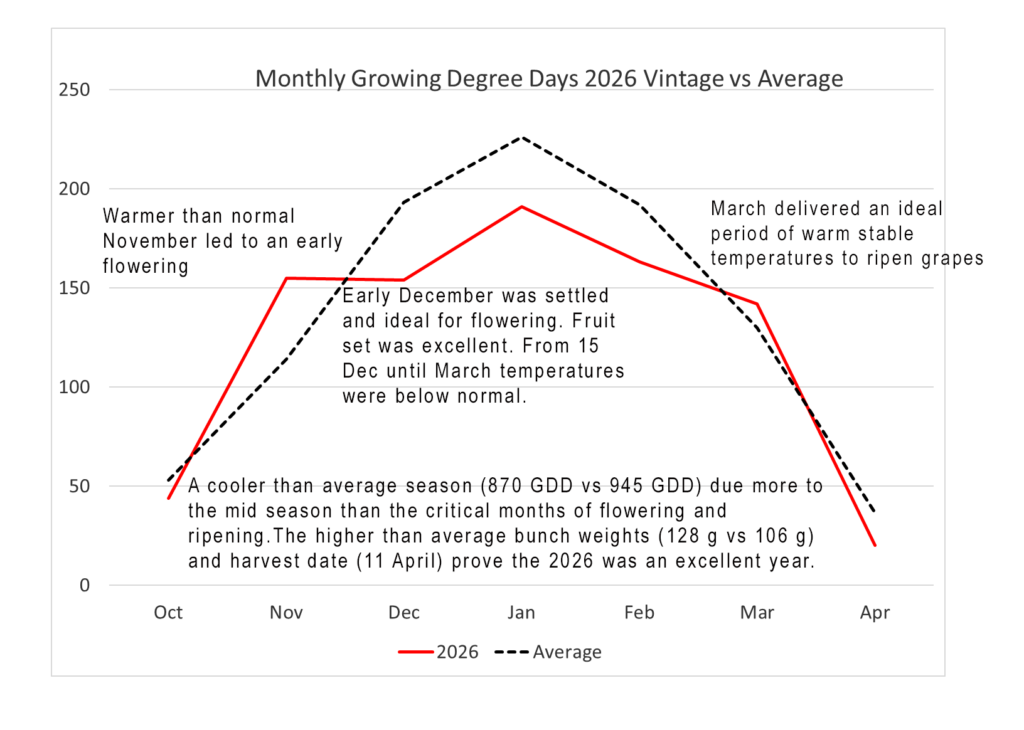
By the data, 2026 was a cool season, with below-average summer temperatures across Central Otago. In the glass, however, I expect something closer to a warm-year expression. The final 30 days delivered ideal ripening conditions—warm, dry (just 20mm of rain), and frost-free—which made all the difference.
One notable feature of the season was timing: the Alexandra Basin began picking Pinot Noir ahead of most of Bannockburn, despite typically running around 10 days later. The challenges seen in Cromwell and Gibbston were largely driven by westerly weather patterns that appeared to dissipate before reaching Alexandra.
The 2026 growing season was marked by uncertainty, with weather patterns proving difficult to predict and highly variable across Central Otago.
Winter (July–August) was slightly warmer than average, though still delivered the expected sequence of frost nights — a positive reset for the vines heading into spring.
In late September, a rare Sudden Stratospheric Warming (SSW) (Read more) event developed over Antarctica. These events, where stratospheric temperatures rise dramatically (from around –55°C to near 0°C), are known to disrupt normal weather patterns, increasing the likelihood of strong winds, rainfall, and cold outbreaks.
From 21 September, conditions reflected this influence. Westerly winds became stronger and more persistent through late spring, accompanied by more frequent rainfall. A classic SSW feature followed on 27–28 October, when a sharp southerly blast brought temperatures below 7°C for 24 hours and snow to low levels. Notably, frost did not follow, as cloud cover and winds returned quickly.
A second major climate driver emerged with an extreme negative Indian Ocean Dipole (IOD) (Read more) in November — a level not seen for decades. Together, these two systems introduced ongoing variability, particularly cooler-than-normal temperatures from mid-December through to late February.
Spring growth reflected these conditions. October temperatures were below average, with vine development tracking around one week behind the previous season. November reversed this trend, with warmer conditions and a peak of 26°C recorded on 4 November.
December proved uneven. The first half was warm (averaging 16.1°C), providing favourable flowering conditions, largely completed by 15 December. The second half cooled significantly (averaging 13.8°C), resulting in an overall cooler-than-average month despite the strong start.
The cooler pattern persisted through January and February, creating a cumulative ten-week period of below-average temperatures. Phenological stages, including véraison and ripening, trailed by one to two weeks — late, but not concerning.
March delivered near-perfect ripening conditions for Pinot Noir, with warm days, cool nights, minimal rainfall (12 mm), and just one frost. April continued in the same vein: stable, dry conditions with no frost events and only one day of rain.
April. Harvest commenced on 11 April. Average bunch weight reached 128g, compared with a long-term average of 106g.
The result: exceptional fruit condition. The grapes were clean, intensely flavoured, and harvested at relatively moderate sugar levels — an ideal balance. Despite early-season uncertainty, the vintage has delivered outstanding quality.
The 2026 vintage marks our 21st at Grasshopper Rock.
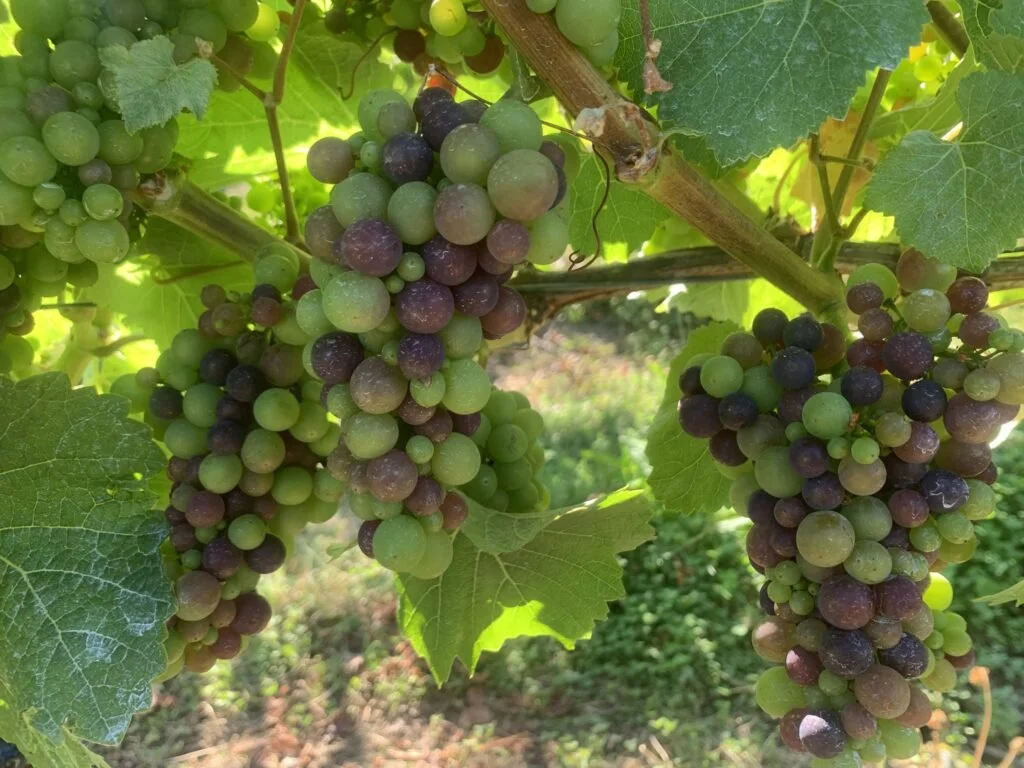
February 11th, Veraison finally underway
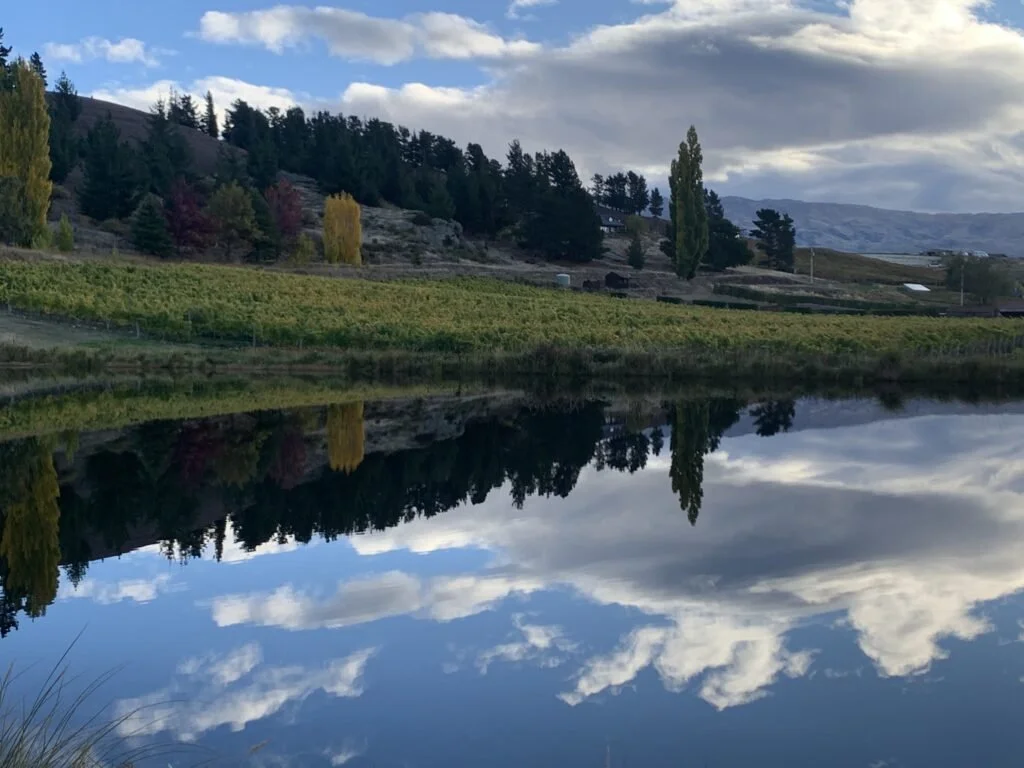
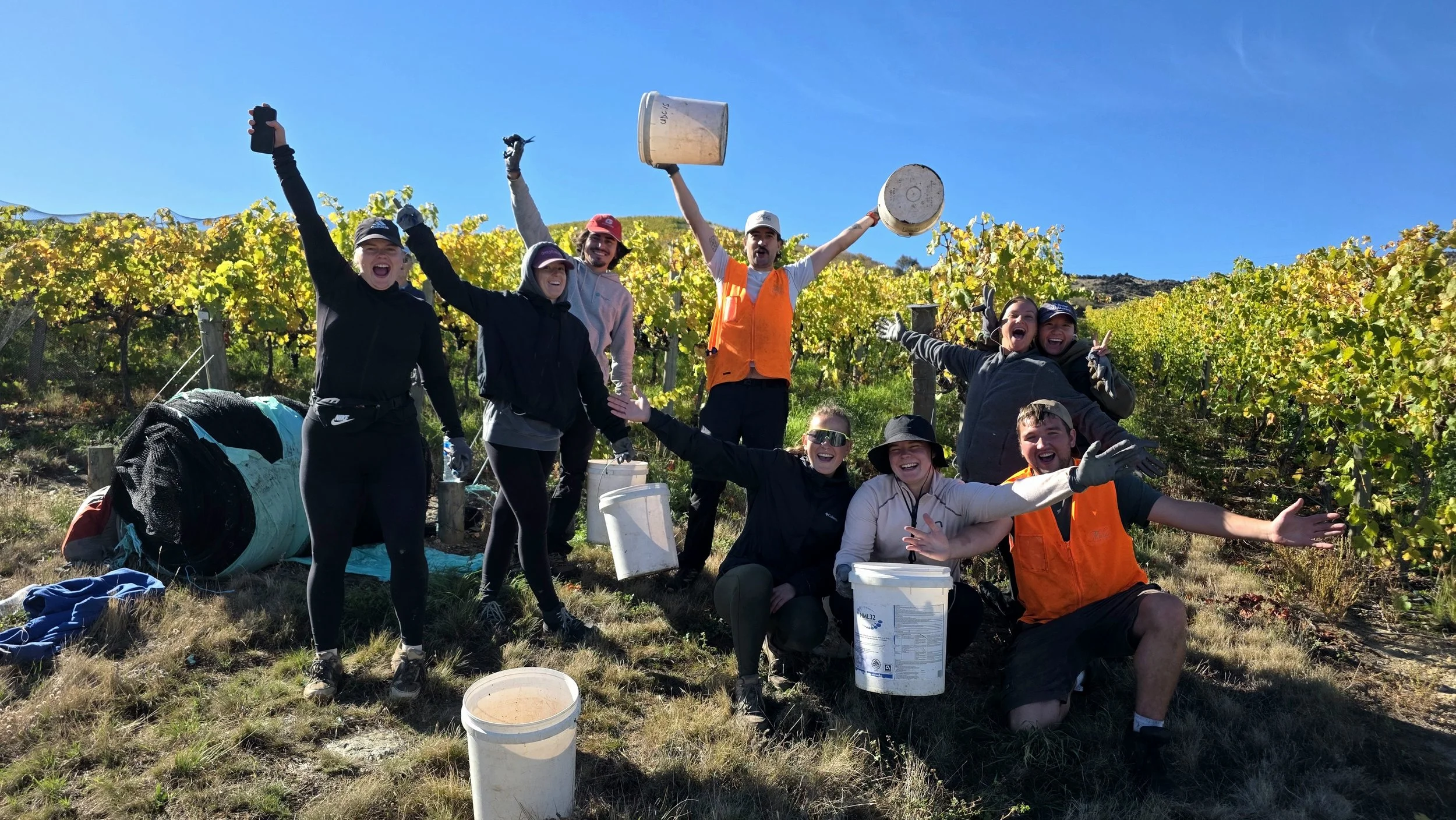
Final day of harvest 2026 at Grasshopper Rock Wines, Alexandra, Central Otago
The Landing Northland

The 2026 harvest at The Landing is now complete, marking the end of a season shaped by above‑average temperatures, high humidity and periods of rain across the Bay of Islands. Despite these challenges, fruit quality remained sound across all varieties, and the team successfully brought in a final yield of just over 50 tonnes, in line with expectations.
Growing Season Overview
The 2025/2026 season was one of the warmest years on record nationally and Northland followed that pattern.
Spring was late to arrive for the vines, a hangover from the wet and mild winter that resulted in very uneven budburst and lower than average fruitfulness. Once the soil dried out, early vine growth was strong and flowering generally successful.
Early summer continued with warm, stable weather that supported fruit set and development. Canopy growth was even and the vineyard team were busy in this most crucial time setting the vines up to go into the ripening phase.
Mid–late summer included periodic rainfall and elevated humidity, increasing disease pressure and requiring close attention to fruit condition. This unsettled weather through ripening highlighted the importance of early and mid season canopy management work.
Harvest Timing and Progress
Harvest began on 2 February, starting with the early white varieties. The team worked block‑by‑block through February and March, adjusting picking decisions based on ripeness, weather windows and fruit condition.
Despite the challenges of a warm, humid season, fruit came into the winery clean and well‑balanced.
Winemaker Ben Byrne notes:
“Sugar levels were on the lower side this year, but fruit flavours were good and the late blocks in particular performed well. The vineyard team did excellent work in a difficult season.”
The 2026 vintage presented weather‑related challenges, but the vineyard and winery teams managed conditions effectively. Yields aligned with expectations, fruit integrity remained solid, and the season is expected to produce wines with freshness, moderate alcohol and good varietal clarity.
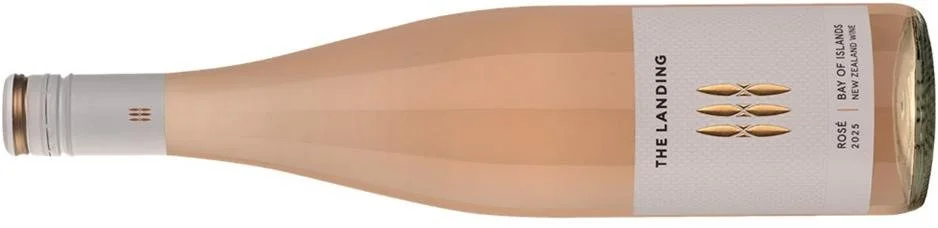
The Landing Rosé 2025 has been recognised at the San Francisco International Wine Competition 2025, receiving Double Gold and Best of Class.