
HARVEST UpDates AU and NZ
The Daily Wine News is an excellent source if up to the minute news feed on the world of wine.
Today’s issue - link here - discusses the 2026 harvest in AU and NZ.
Some worrying stats coming out
Some excellent quality wine predicted
Check out the original: https://winetitles.com.au/abares-commodities-report-predicts-31-fall-in-wine-grape-production/
The Australian Bureau of Agricultural and Resource Economics and Sciences (ABARES) has released its March quarter 2026 Agricultural Commodities Report, featuring downward predictions and insights for the future of both grapegrowing and winemaking.
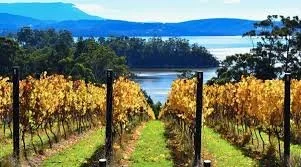
Winegrape production -
The report estimates that the value of winegrape production will fall by 31% to $657 million in 2025–26, “driven by falling prices and lower domestic production”. This estimate is 18% ($148 million) lower than originally anticipated in the December 2025 report. In the 2026-27 period, this value is predicted to decrease by a further 2% to $644 million “with production and prices (in real terms) expected to remain 34% and 33% below 10-year averages respectively”.
Additionally, winegrape production for crush is forecast to decline by 20% in 2025-26 to 1.25 million tonnes, which would make it 20% below the 10-year average. Crush levels are, however, not expected to change, and instead remain at 1.25 million tonnes in 2026-27. Higher water prices across the southern Muray-Darling Basin and low grape prices “are expected to continue to limit production incentives and suppress production below potential”.
Winegrape prices are also expected to decrease due to “subdued international and domestic demand” weighing on domestic warm inland regions.
The report also notes that winegrape production is likely to be affected by “low water storage levels, high temporary water prices and restricted allocations” across inland regions. Heat events over summer recently are set to further reduce yield potential “given the dry winter and spring conditions across major grape producing areas”.
It also links the potential for vineyard mothballing and removals to be limiting bearing area, with the impact “most evident” in inland regions.
Red wine insights:
The value of red winegrape production is set to decline in both 2025–26 and 2026–27. The report credits “excess red wine inventories, declining global consumption and limited winemaker demand” as the main factors expected to keep red winegrape prices “well below long-term averages, particularly in warm inland regions”.
Prices for red varietals in warm inland regions are speculated to plunge in 2025-26 by around 20% for Shiraz, Cabernet Sauvignon, and Merlot grapes.
White wine insights:
White winegrape production value is also expected to drop in 2025–26 and 2026–27. The report cites “increased white wine production, particularly of Chardonnay and Sauvignon Blanc (including higher New Zealand production), combined with weak winemaker demand” as placing “significant downward pressure” on prices.
Prices for white varietals in warm inland regions are estimated to fall by 12-17% in 2025-26. The report attributes the pressure on white grape prices to “increasing white wine inventories, falling domestic demand for wine from cooler, temperate regions as well as easing global consumption of wine in general”.
Exports:
The value of wine exports is projected to diminish by 6% to $2.4 billion in 2025-26. It is forecast to fall an additional 5% to $2.3 billion in 2026–27. The drop off is estimated to be driven “primarily by mainland China, where shipments have started to ease following the post-tariff restocking period, and weaker export values to the United Kingdom and United States”.
The “softer export outlook” is in-line with the longer-term fall observed in global wine consumption. Factors weighing on exports according to the report include “cost-of-living pressures, changing consumer preferences towards lower alcohol alternatives and higher wholesaler inventories, particularly in the US”.
Export volumes to China were up year-on-year to 2024-25, although they remained 35% below the 5-year pre-COVID average.
Australian wine export volumes are set to decline by 2% to 643 million litres in 2025-26 and an additional 2% to 628 million litres in 2026-27.
And for New Zealand
New Zealand Winegrowers has welcomed an early harvest “with optimism”, as industry preparations for the 2026 vintage are already underway across the country’s wine regions.
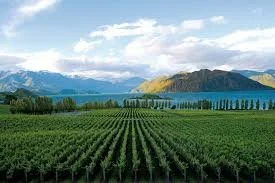
According to New Zealand Winegrowers, indicators are pointing to grapes that offer regional diversity, distinctive flavours and ripeness.
It notes that 2026 is set to be the earliest harvest season yet, citing ongoing changes in weather patterns to have caused harvest dates to move forward by several weeks in recent years.
New Zealand Winegrowers CEO Philip Gregan said that “January to March are critical months for growing and ripening grapes”.
“We are looking forward to a nice, warm March, with cooler autumn nights that are important for flavour development. Winemakers are feeling optimistic as they look forward to crafting wines for both domestic and international consumers, continuing New Zealand’s reputation for wines that are distinctive, refreshing, sustainable and premium,” he said.
The Northland region’s harvest kicked off on 23 January, followed by Hawke’s Bay, and recently, Marlborough and North Canterbury. Central Otago is set to begin slightly later this year.